Rain or Shine: Weather-Resilient Landscaping Strategies for Robust Outdoor Living Jul 01, 2026
The first step in building a resilient outdoor space is understanding your local climate and soil conditions. By gaining insight into these elements, you can select plants and materials that will flourish in the environment specific to your property. Native plants are often an excellent choice as they are naturally adapted to local weather patterns, requiring less maintenance and fewer resources to thrive.
Drainage is another critical factor in landscaping for resilience. Without proper drainage, excess water can lead to soil erosion and plant root damage, undermining your landscape's structural integrity. Grading your yard to ensure water flows away from your home will help prevent these issues. Additionally, integrating permeable hardscaping materials like gravel, permeable pavers, or even strategically placed channels can aid in effective water management.
Incorporating various levels and textures in your landscape not only enhances visual appeal but also contributes to environmental resilience. Terraces and retaining walls can help manage slope and soil stability, which is particularly beneficial in areas prone to heavy rains. Moreover, these features, when combined with strategically planted vegetation, can significantly reduce erosion.
Hardscaping elements play a pivotal role in weather resistance too. Using durable materials such as natural stone or concrete for patios and walkways ensures longevity and reduces maintenance needs. These materials are less likely to be affected by temperature fluctuations, making them ideal for areas that experience diverse weather conditions. When designing these features, consider incorporating covers or pergolas to provide shelter and comfort during both sunny and rainy days.
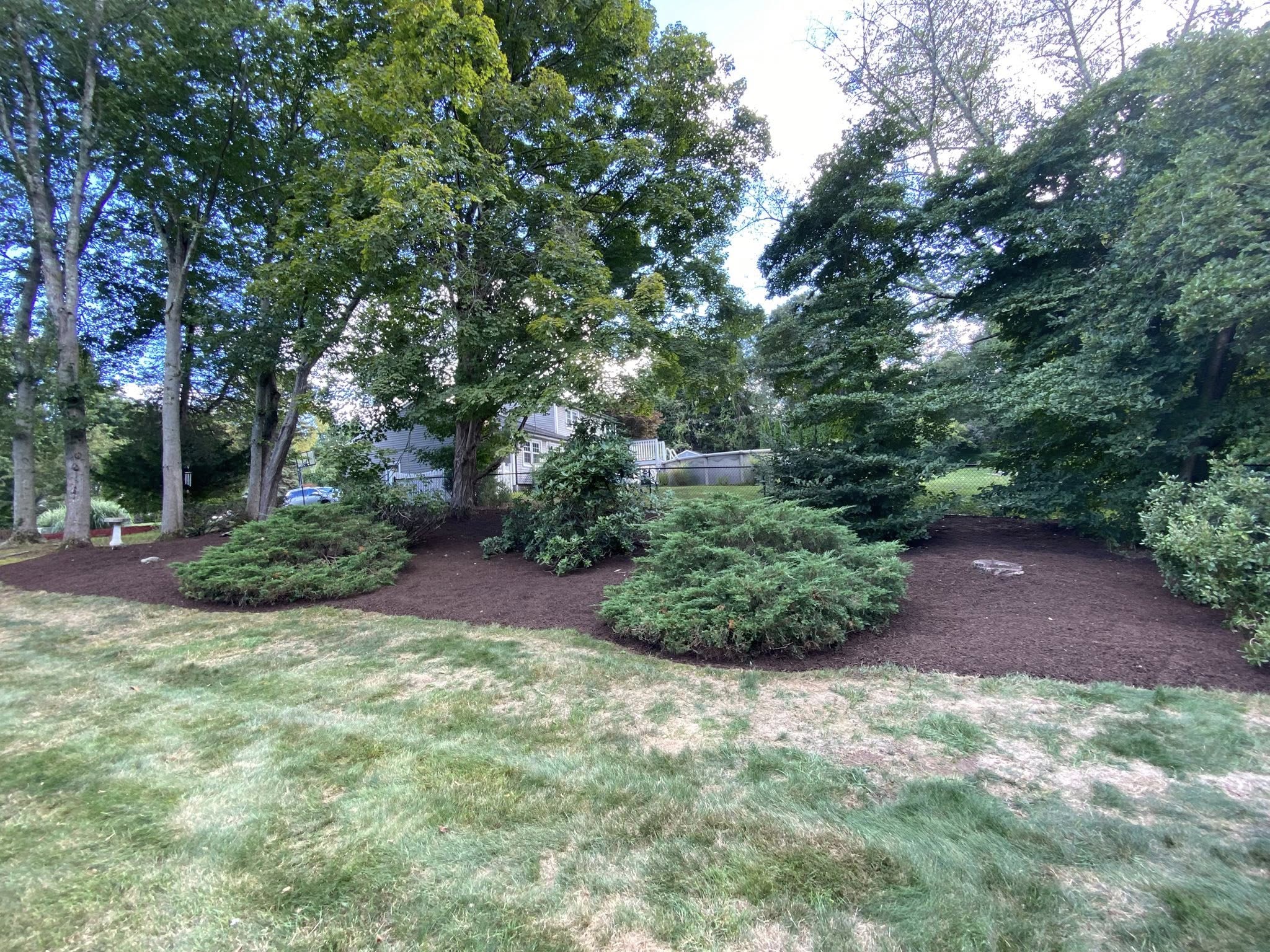
To further enhance resilience, consider implementing a drought-tolerant landscape design. Techniques such as xeriscaping, which utilizes drought-resistant plants and moisture-retaining soil amendments, can significantly reduce water usage. These strategies not only help conserve water but also ensure your garden remains vibrant during dry spells. Mulching is another excellent technique to maintain soil moisture while suppressing weed growth.
Lighting is a crucial yet often overlooked component of resilient landscaping. Adequate lighting ensures that your outdoor space is accessible and safe regardless of weather conditions. Solar-powered LED lights are a sustainable choice, offering a reliable light source even during power outages, while saving energy and reducing your environmental footprint.
Lastly, regular maintenance is vital to keeping your landscape in top shape year-round. Pruning, mulching, and checking drainage systems should be part of your seasonal routine. Hiring professional landscaping services like those from Stevenson Property Maintenance can ensure that your outdoor area remains resilient and beautiful, providing peace of mind and enhancing your property’s value.
Investing in weather-resilient landscaping not only enhances your home’s aesthetic appeal but also provides practical benefits by mitigating weather-related damage and reducing maintenance costs over time. By understanding your environment, wisely choosing plant and hardscape materials, and integrating smart design strategies, you can create a sustainable outdoor haven that thrives come rain or shine.
Stevenson Property Maintenance is dedicated to helping homeowners transform their outdoor spaces into durable havens. Contact us today to explore how we can tailor a landscaping solution to suit your climate and lifestyle needs. With expert guidance, your landscape will not only endure but flourish through all seasons.
/filters:no_upscale()/filters:format(webp)/media/a59206b2-d6d3-450f-913a-d6cb95358fe7.jpeg)
/filters:no_upscale()/filters:format(webp)/media/afe66cf9-aab1-4f12-8e92-22b3ddeecc41.jpeg)